THE LANDSCAPES OF DHARAK

WHERE TERRAIN DEFINES THE RACE

In the mountains, terrain decides the rhythm. The runner only adapts.

DHARAK races are built around the natural landscapes of the Himalayas. Ridges, forests, alpine meadows and ancient trails shape every course.

The Terrain Philosophy

The word DHARAK comes from the Himalayan word “Dhar”, meaning a mountain ridge. Ridges are the natural lines that connect peaks, valleys and alpine landscapes across the Himalayas.

DHARAK races follow these natural formations instead of forcing artificial routes through the mountains. Courses are designed to respect the terrain they belong to.

DHARAK does not impose routes on mountains. It discovers them.

Terrain Systems of DHARAK

The Himalayas contain diverse landscapes. Each DHARAK race explores specific terrain systems that define the running experience.

Mountain Ridge Terrain

Mountain Ridges

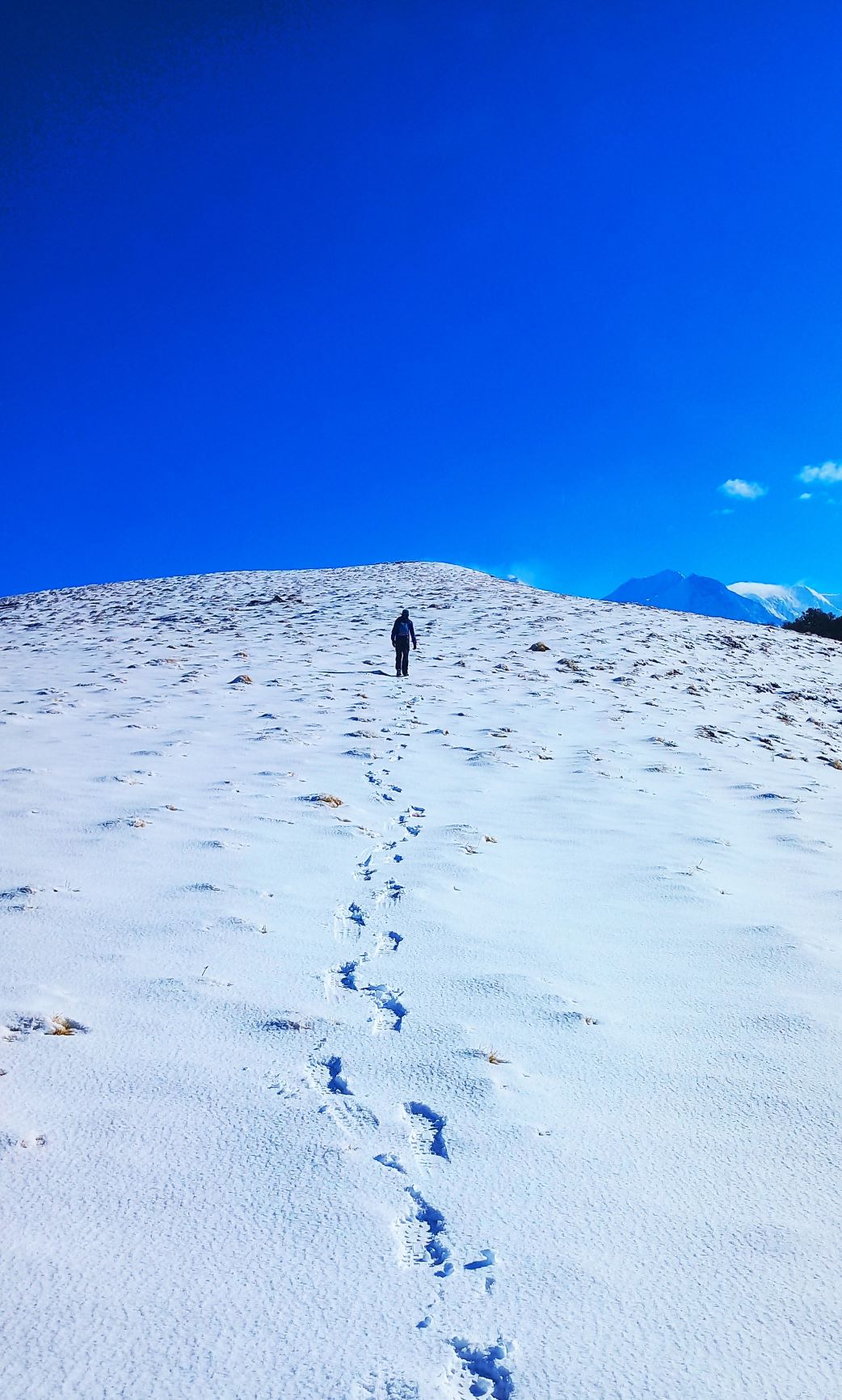
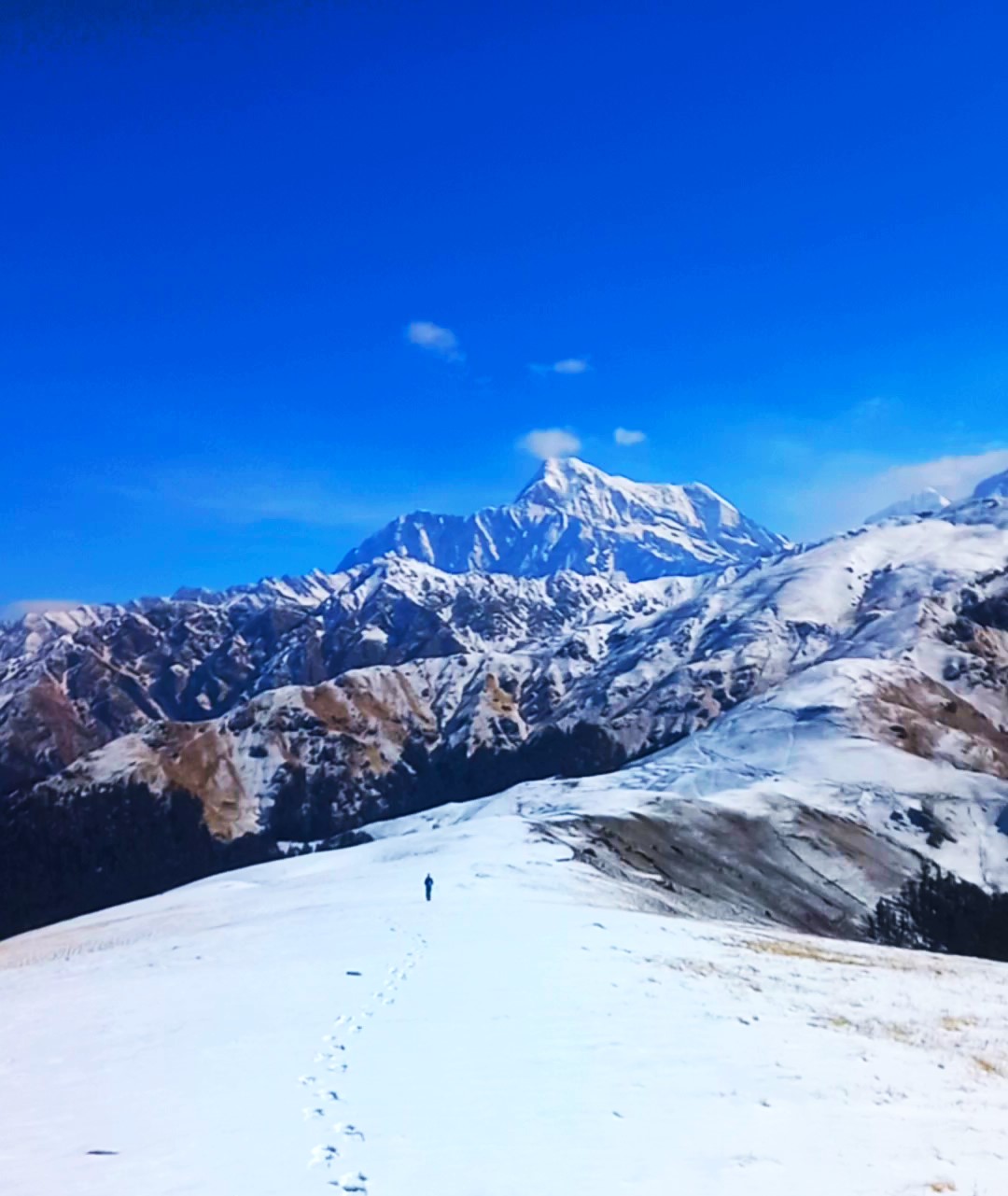
Ridges are the defining terrain of DHARAK. These high natural lines connect mountains and create dramatic running routes with exposed views and steep elevation changes.

  • Exposed ridge running
  • Sharp elevation gain
  • Technical footing
  • Panoramic Himalayan views
Himalayan Forest Trails

Forest Trails

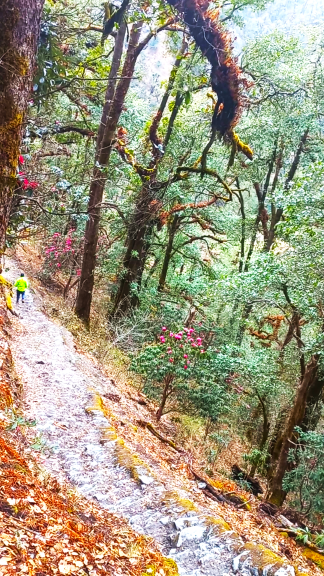
Dense Himalayan forests of oak, pine and rhododendron create beautiful single-track trails with softer terrain and shaded running environments.

  • Oak forests
  • Pine trails
  • Rhododendron landscapes
  • Natural single tracks
Bugyal Alpine Meadows

Bugyals (Alpine Meadows)

Bugyals are high Himalayan alpine grasslands above the tree line. These open landscapes offer expansive views and challenging high altitude running.

  • High altitude terrain
  • Wide alpine grasslands
  • Panoramic mountain landscapes
  • Wind exposed running
Riverbed Terrain

Riverbed Terrain

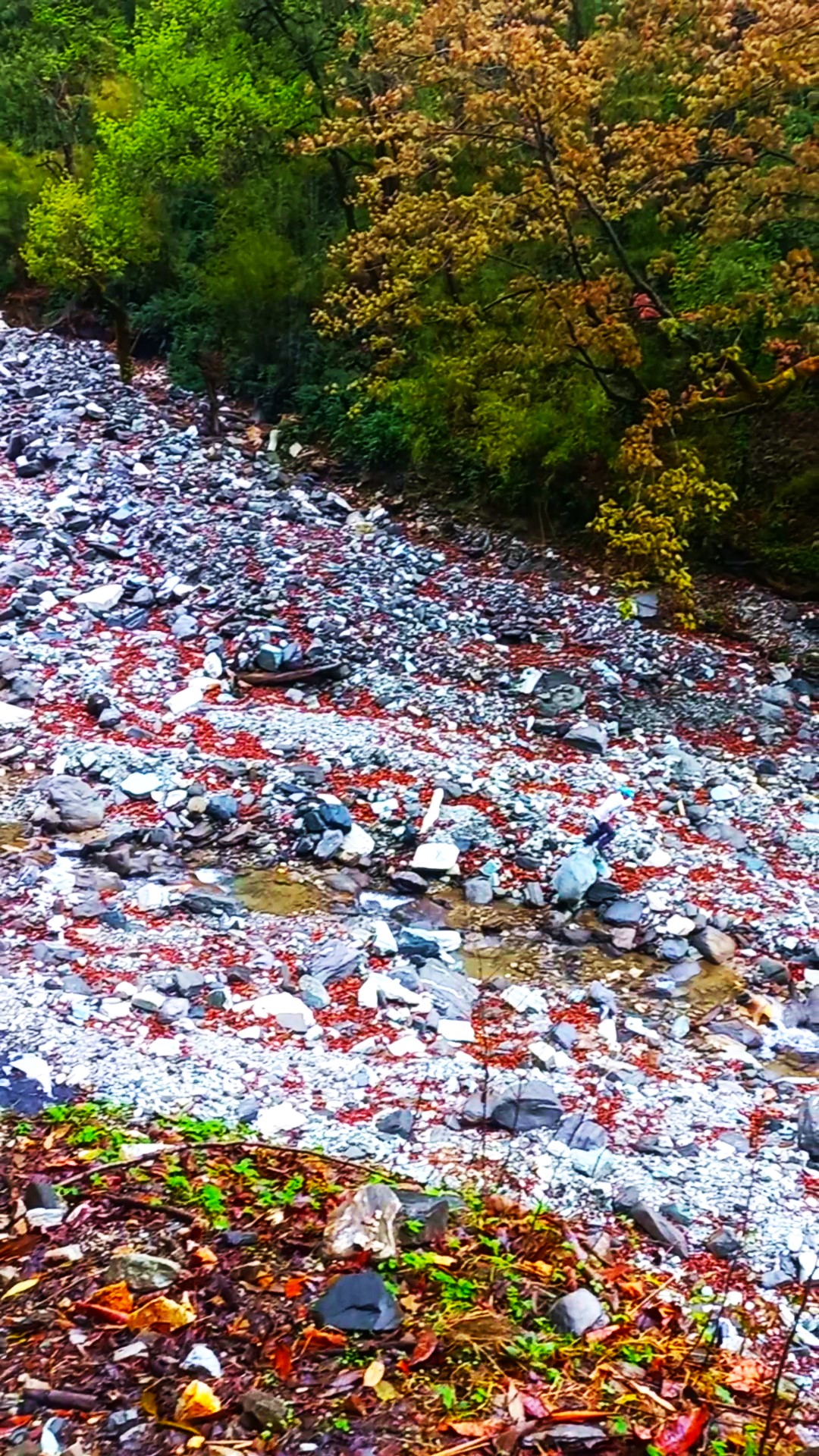
Seasonal riverbeds and mountain streams create dynamic terrain with loose rocks, gravel and constantly shifting surfaces.

  • Boulder sections
  • Loose gravel terrain
  • Seasonal water crossings
  • Highly technical footing
Sacred Himalayan Trails

Sacred Mountain Trails

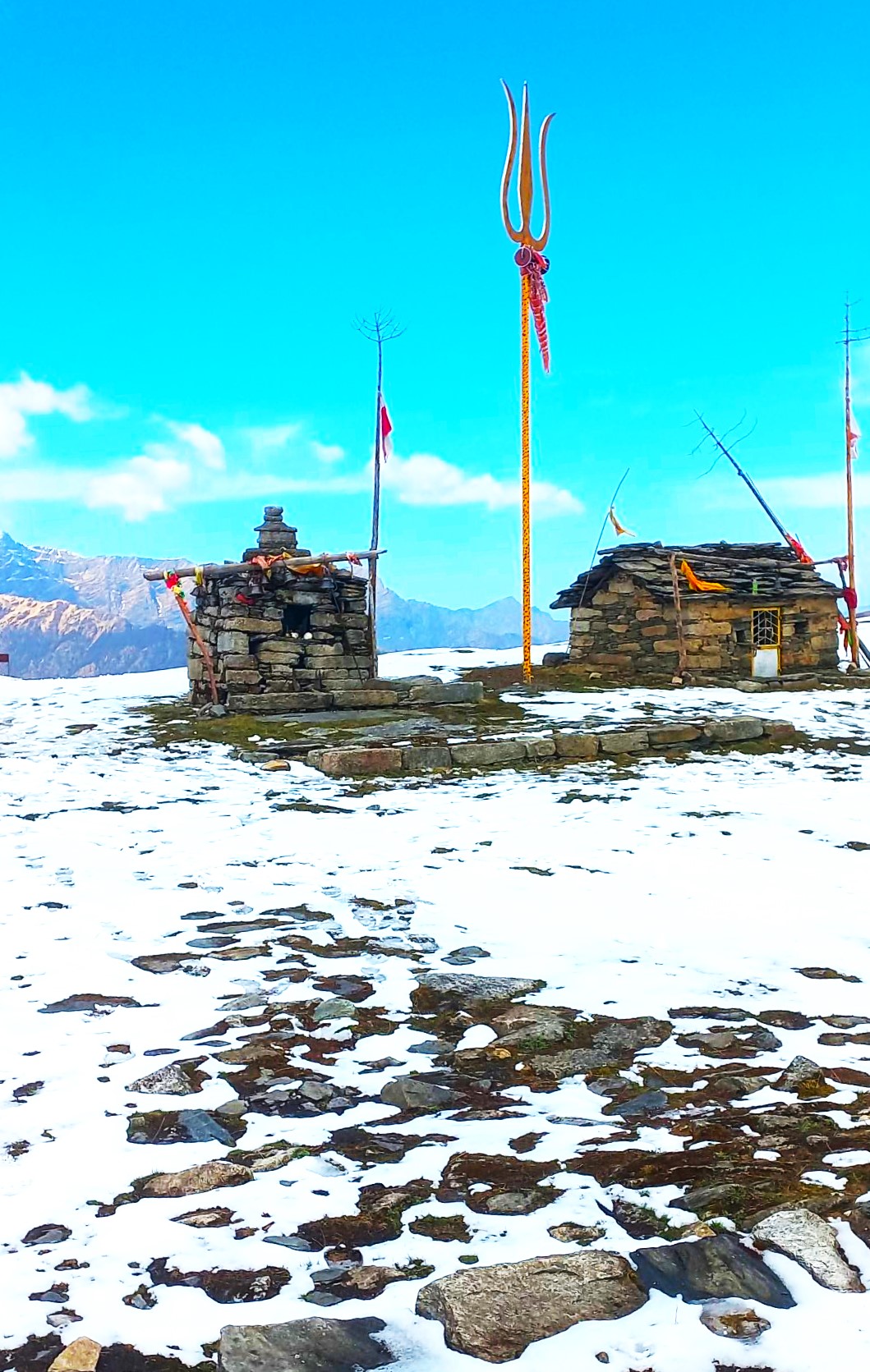
Many Himalayan paths are ancient pilgrimage routes used for centuries. Some DHARAK races follow these sacred landscapes, connecting running with culture and history.

  • Pilgrimage routes
  • Remote mountain paths
  • High altitude landscapes
  • Cultural significance

Anatomy of a DHARAK Mountain Race

A mountain race moves through changing terrain. Forest trails, ridges and alpine landscapes shape the rhythm of the run.

Forest Trail

Forest Trail

Shaded single-track through oak and pine forests.

Mountain Ridge

Ridge Running

Steep climbs and exposed mountain views.

Bugyal Terrain

Bugyal Terrain

Wide alpine meadows above the tree line.

High Mountain Ridge

High Ridge

Technical terrain with thin mountain air.

Mountain Descent

Descent Trails

Fast downhill sections back into forest terrain.

Himalayan Terrain Classification

Because terrain varies widely across the Himalayas, DHARAK classifies races based on mountain difficulty.

HT-1 ▲

Entry mountain terrain with forest trails and moderate gradients.

HT-2 ▲▲

Mountain trail terrain with single tracks and varied surfaces.

HT-3 ▲▲▲

High mountain terrain featuring steep climbs, alpine landscapes and exposed ridges.

HT-4 ▲▲▲▲

Extreme Himalayan terrain with high altitude routes and demanding mountain conditions.

Why Terrain Matters

Two races may share the same distance but feel completely different depending on terrain.

In the mountains, distance is only one dimension of difficulty. Elevation gain, altitude and terrain determine the real challenge.

A 21 km road race and a 21 km mountain race can be entirely different experiences.

Respect the Mountain

The mountains are fragile ecosystems and home to communities that have lived here for generations. DHARAK promotes responsible mountain running practices.

The mountains allow us to run here. Respect is not optional.

Experience the Terrain

Every DHARAK chapter reveals a different side of the Himalayas — from forest ridges to high alpine bugyals.

Explore Upcoming Races

Terrain defines the race. The mountain decides the challenge.