Terrain of the Garhwal Himalaya
The Nanda Sacred Trails run through ancient Himalayan forest paths, remote mountain villages and the vast alpine meadows of Aali Bugyal and Bedni Bugyal.
The Nanda Sacred Trails explore one of the most beautiful trail running landscapes in the Indian Himalaya. Starting from the mountain village of Lohajung, runners move through dense forests, traditional Himalayan settlements and the high altitude bugyal grasslands above the tree line.
Unlike road races, terrain defines the difficulty of a mountain race. Climbs are steep, trails are natural, and altitude plays a major role in shaping the rhythm of running.
From dense Himalayan forests to the vast alpine meadows of Aali Bugyal, the Nanda Sacred Trails move through multiple terrain zones of the Garhwal Himalaya.
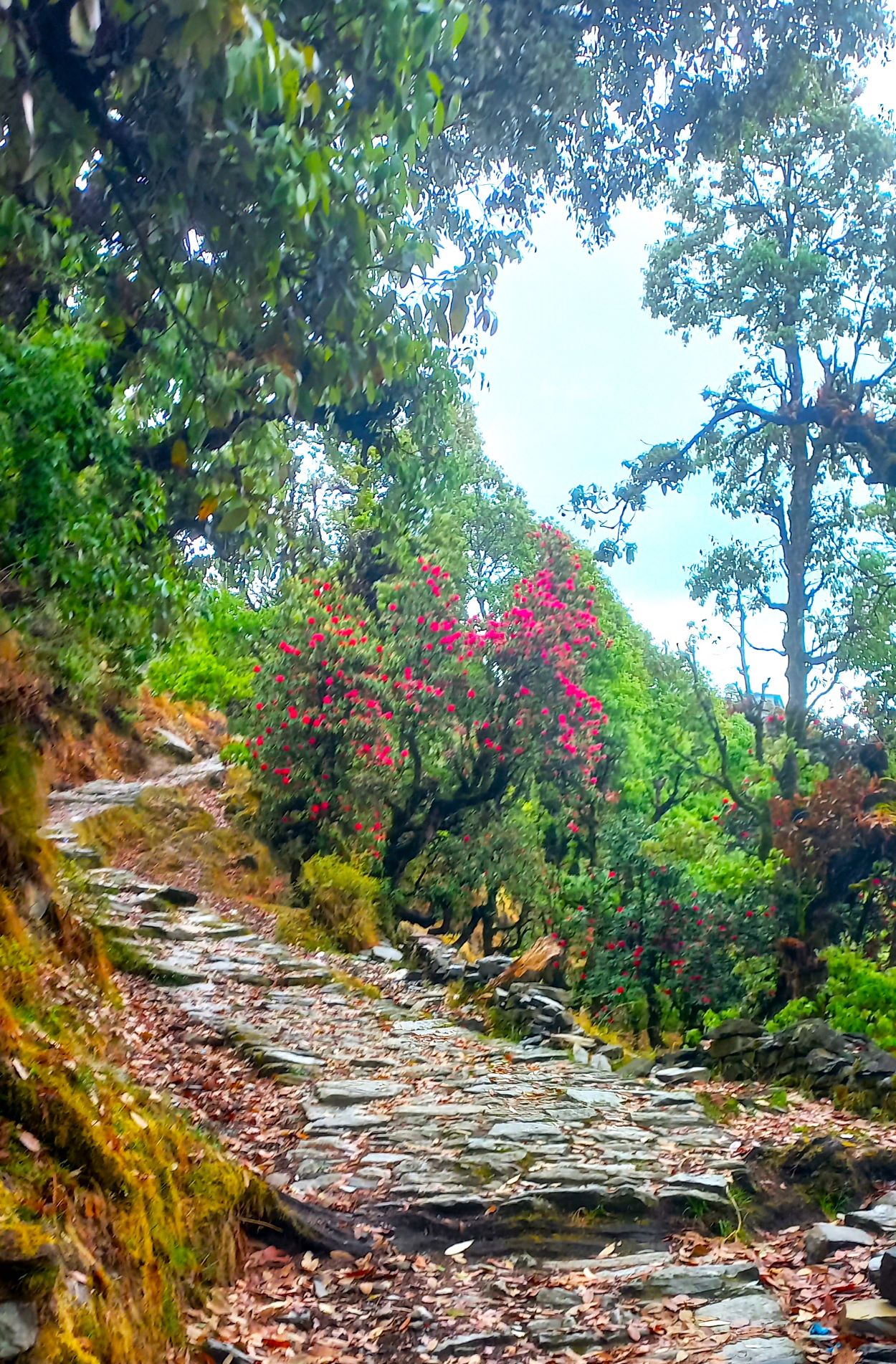
2300 m
Dense oak forests and traditional Himalayan trails mark the beginning of the journey.
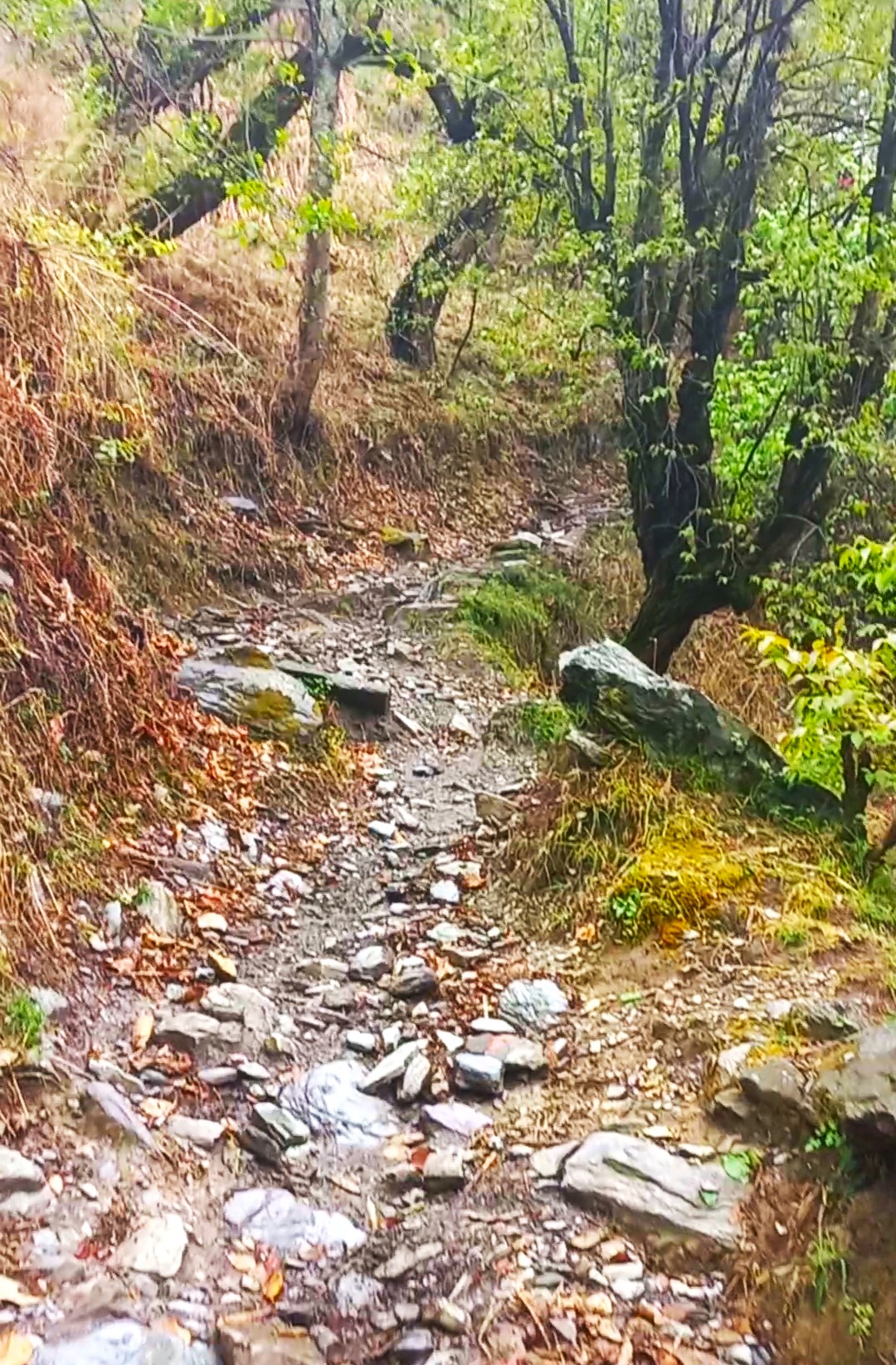
2450 m
Ancient village footpaths and terraced farms connect remote Himalayan communities.
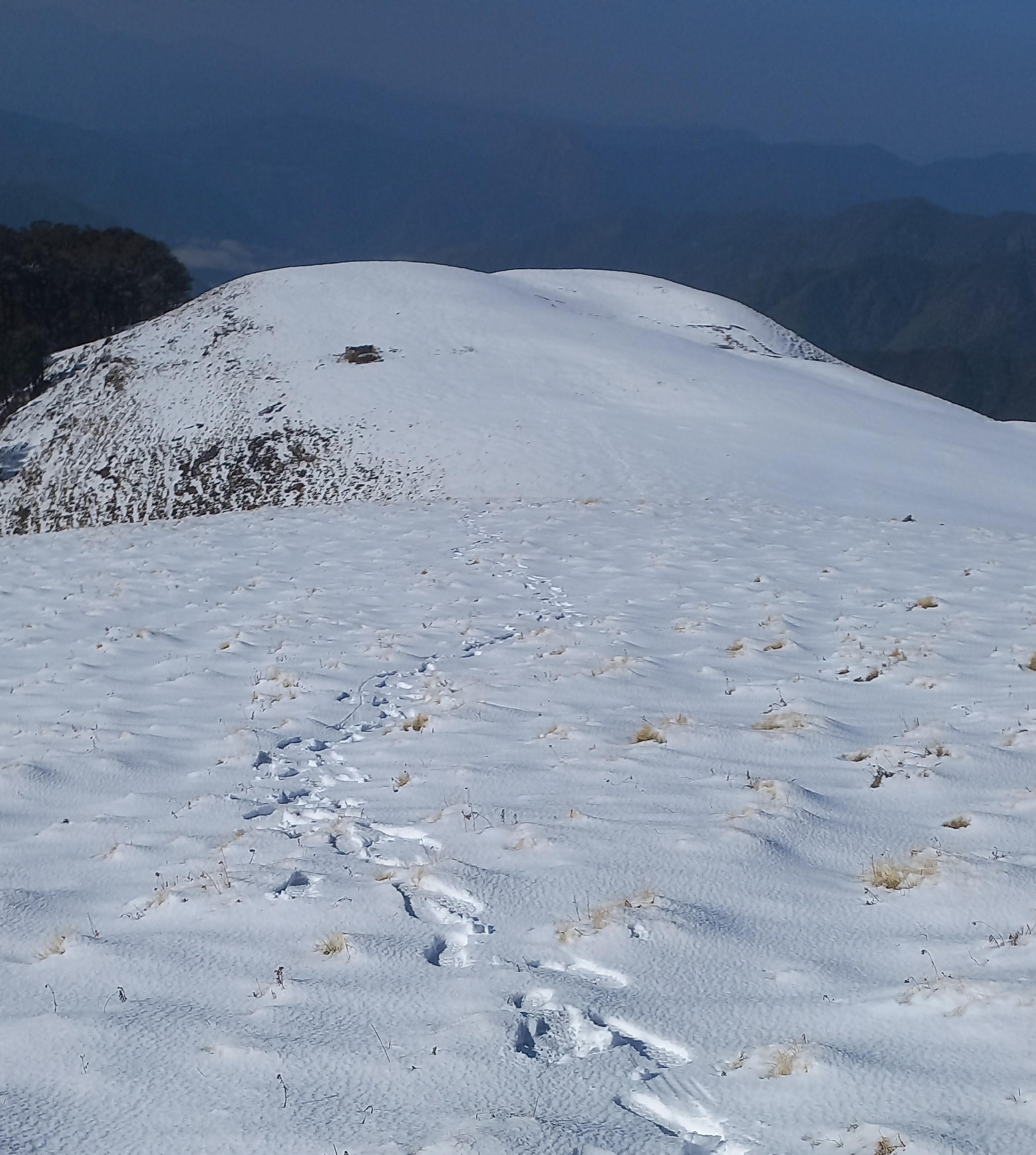
3350 m
Vast alpine meadows open above the tree line offering flowing high altitude terrain.
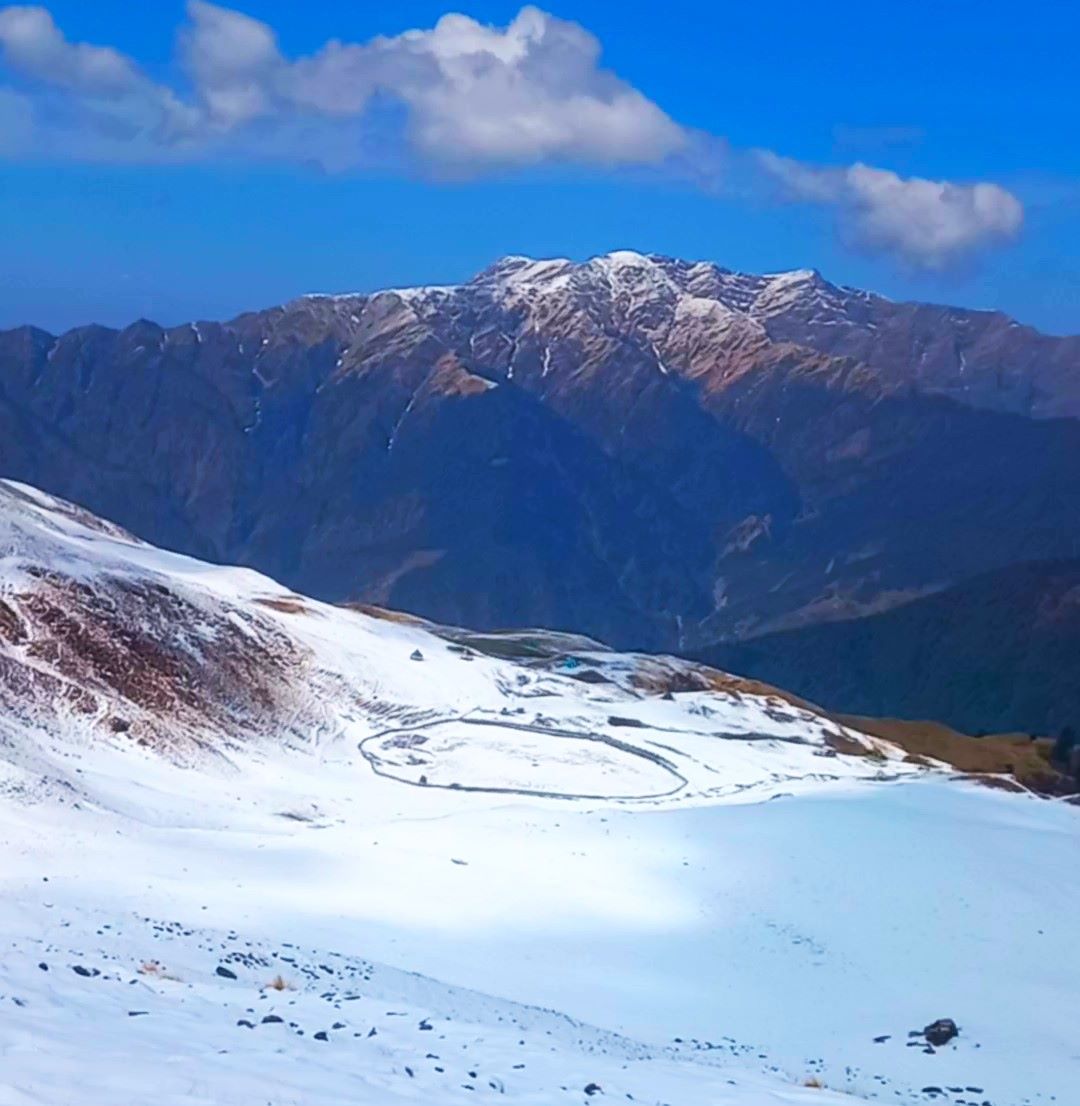
3500 m
Higher altitude terrain with panoramic Himalayan views and exposed mountain weather.
During the race runners move through multiple Himalayan terrain zones as they gain altitude.
The race begins in Lohajung, a small mountain village surrounded by dense oak forests. Early sections of the course follow traditional trails used by villagers and shepherds for generations.
Descending towards Didina village, runners pass through terraced farmland and ancient footpaths connecting isolated mountain communities.
Aali Bugyal is one of the most beautiful alpine meadows in India. The terrain opens dramatically above the tree line, offering vast grasslands and uninterrupted views of the Garhwal Himalaya.
Higher altitude sections near Bedni Bugyal introduce longer climbs, thinner air and fully exposed mountain terrain.
In the mountains, terrain decides the rhythm. The runner only adapts.
The Nanda Sacred Trails follow natural Himalayan terrain rather than constructed race routes. Every climb, descent and ridge is shaped by the landscape itself. Runners experience the mountains as they truly are.